
We are nature. We’ve just forgotten a little bit what that feels like.
As old as life itself
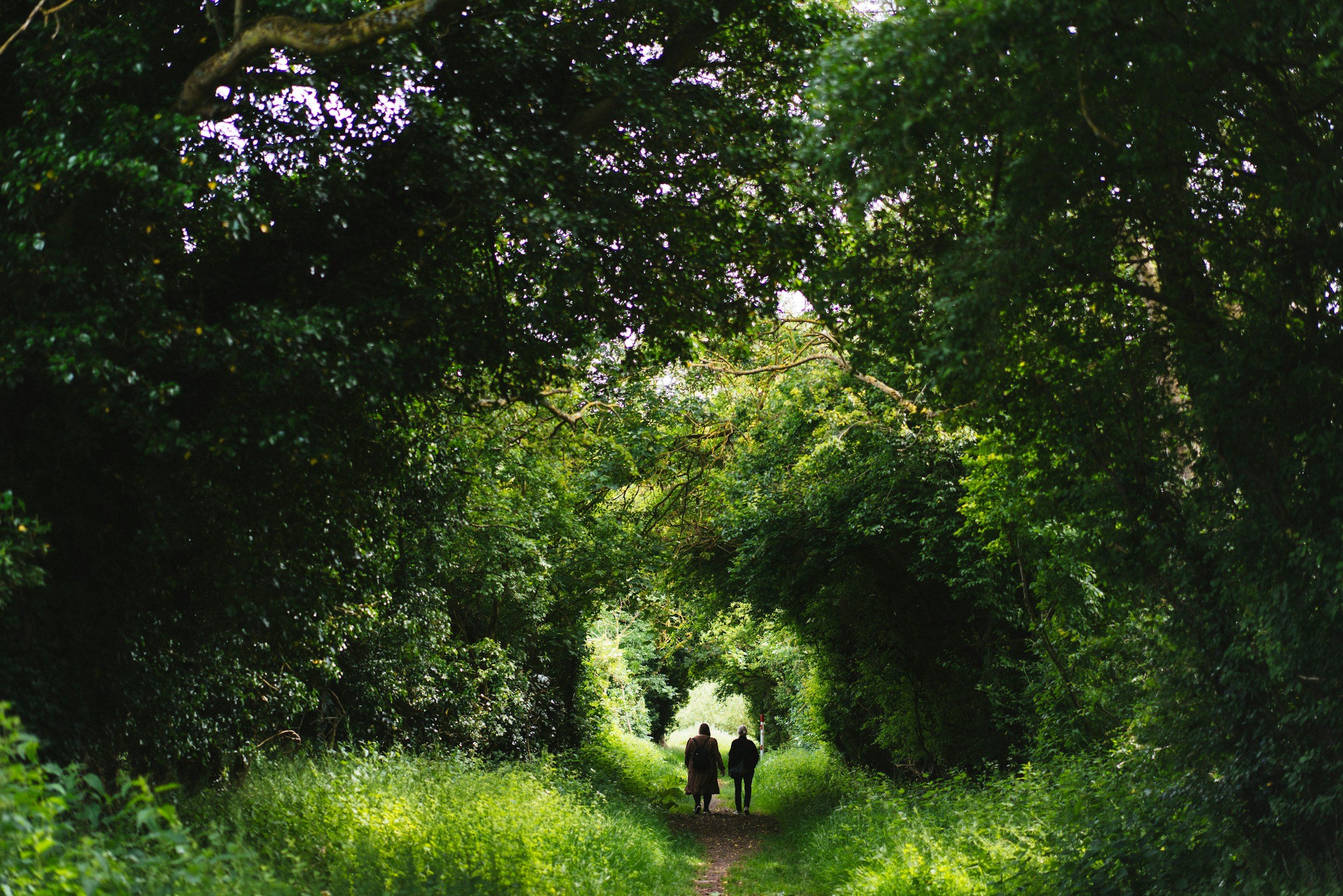
Our bodies and minds have evolved largely in the natural world. For hundreds of thousands of years, humans lived in and with nature, depending on the seasons, the wind, the water, and the light. Our senses have been shaped by forests, grasslands, and rivers—not by offices, computer screens, and conference rooms.
It was only with the invention of agriculture, some ten thousand years ago, that humans began to view nature as something separate from themselves—something that could be worked, controlled, and mastered. And in the centuries that followed, that divide only grew wider.
Mindfulness in Nature
In virtually every spiritual tradition, the connection with nature has always remained alive. In Daoism, nature is the great teacher; the Dao, the Way, reveals itself in the course of rivers and the growth of trees. In Christianity, the wilderness is the place where you encounter God, where you lose yourself and find yourself again. Native American traditions view the earth as a living being of which humans are a part, not the masters. And in shamanic traditions around the world, nature is the place where you find answers that everyday reality cannot provide.
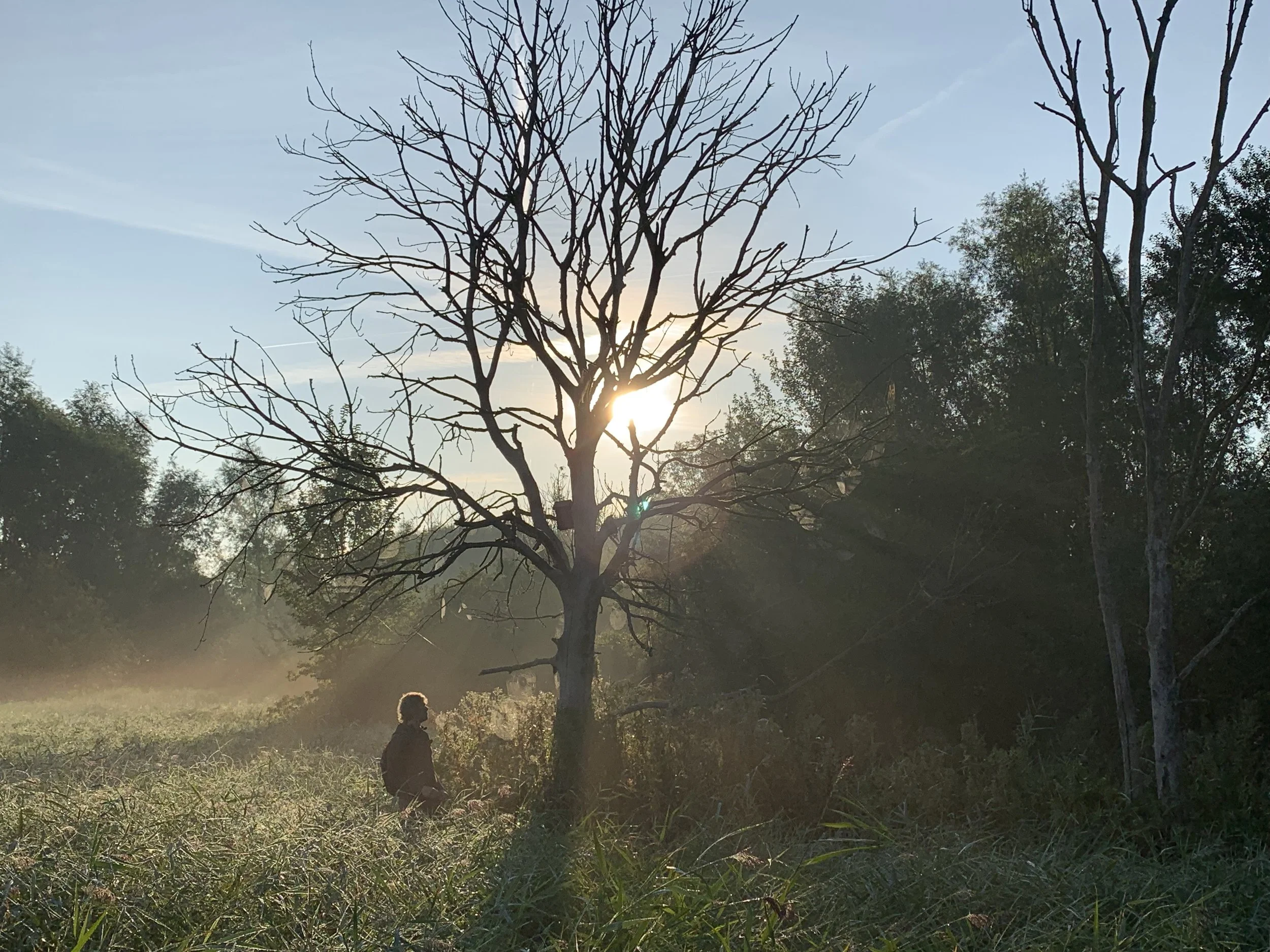
Mindfulness has its roots in Buddhism, but the principle is more universal: being present in the here and now, without judgment. Fully observing what is. Simply being, in a constant state of change. In nature, this happens naturally.
What the science says
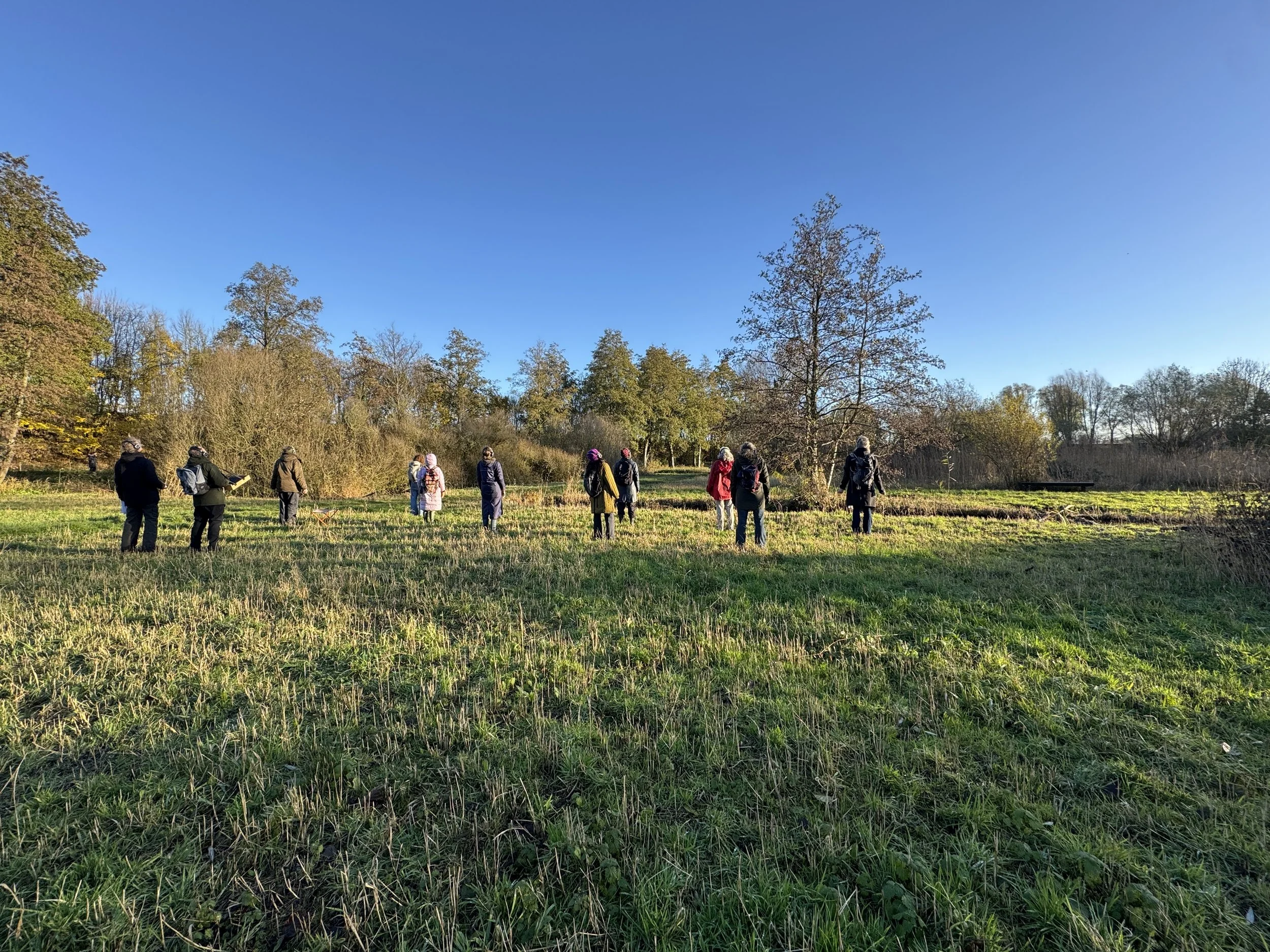
The positive effects of spending time in nature are now well documented. Research shows that nature lowers cortisol levels (the stress hormone), normalizes blood pressure, and strengthens the immune system.
But there’s more. Nature has been shown to boost creativity. A study by the University of Utah found that after spending four days in nature, people scored 50% higher on creative problem-solving tasks. Other studies show that nature strengthens social bonds and collaboration within groups, increases motivation, and restores the ability to focus.
Mindfulness further reinforces this. Regular practice enhances the ability to reflect on oneself, improves emotional regulation, and increases empathy—exactly the qualities that leaders and teams need.
Shinrin Yoku
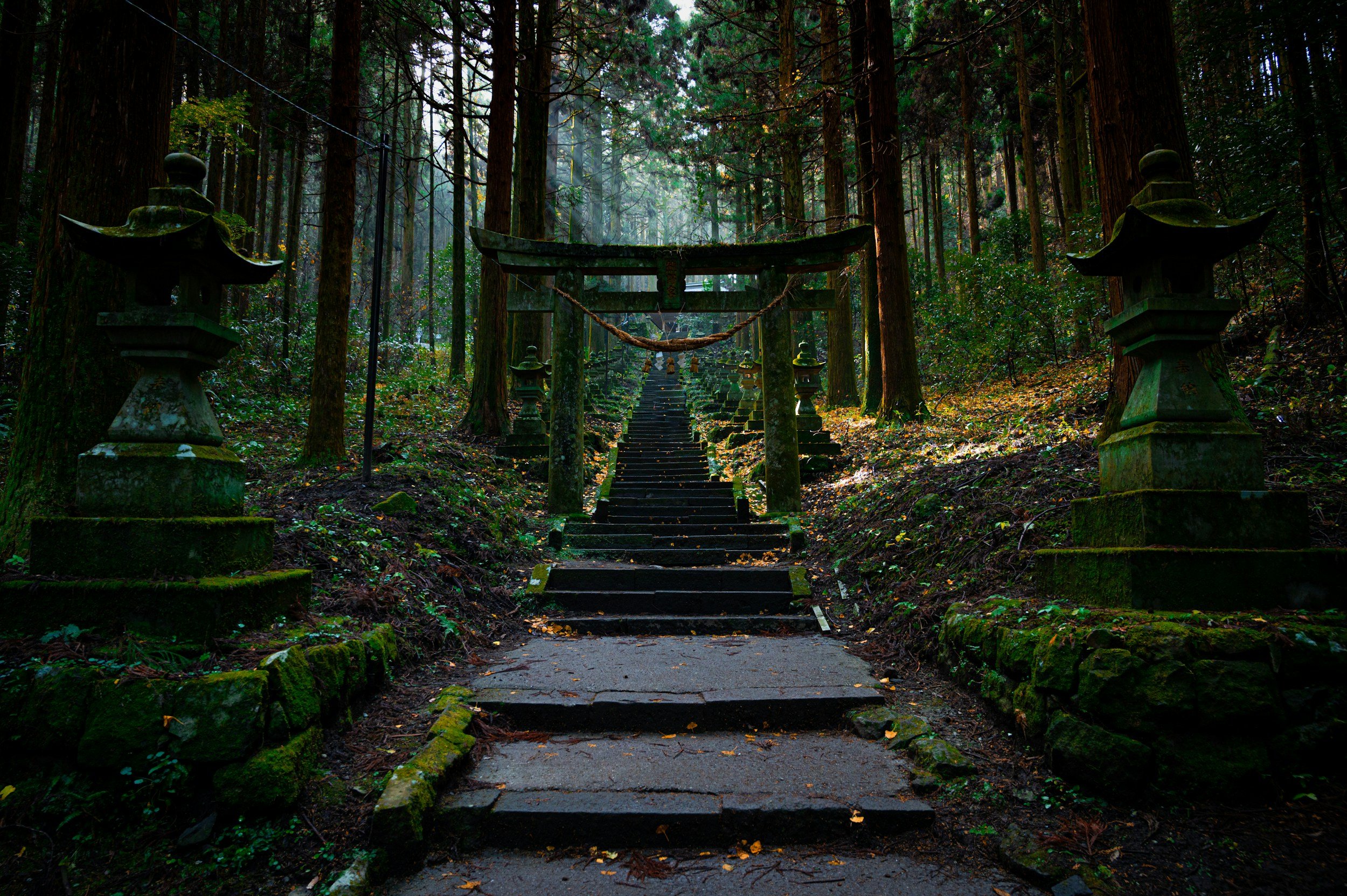
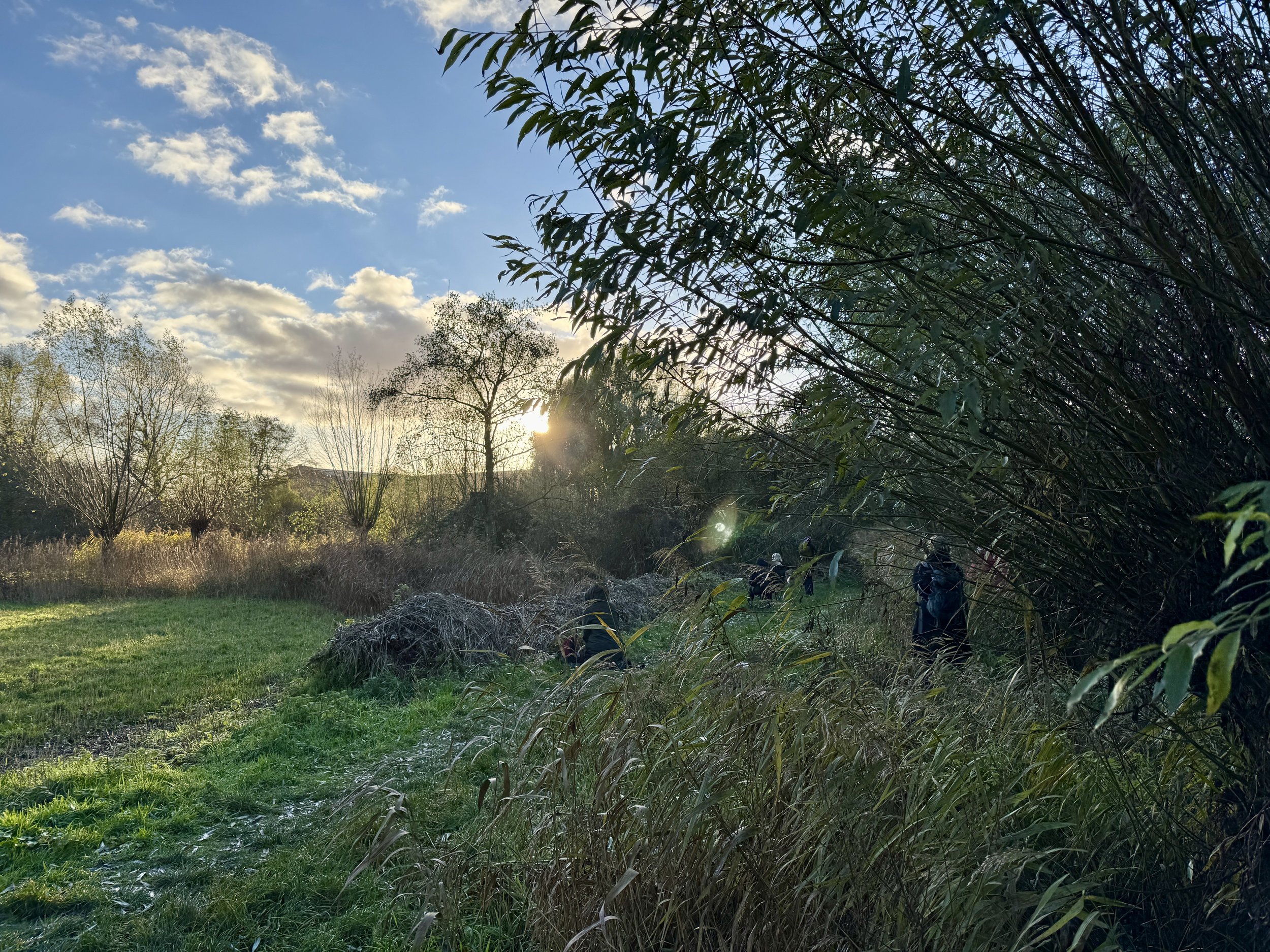
In Japan, Shinrin Yoku—literally translated as “forest bathing”—has been officially recognized as a preventive health measure and included in the national healthcare system. The concept is simple: walk slowly through the forest, open up all your senses, and let nature work its magic on you. No goal, no achievement. Just be present.
The effects are impressive. Regular Shinrin Yoku practice reduces stress, anxiety, and depression, lowers blood pressure, and improves concentration. It is not an alternative medicine; it is simply a return to something we have always known but had temporarily forgotten.
We bring this principle to organizations. Not as a spa day, but as a serious intervention that brings calm, clarity, and renewed energy. Burnout prevention in the great outdoors.
How your organization benefits
Connection: with yourself, with others, with your surroundings, and with what drives you.
Clarity: stepping back from the daily grind, creating space to see what really matters in order to make good decisions.
Creativity: New ideas come more easily when you clear your mind.
Relaxation: stress reduction and recovery through a slower heart rate, improved breathing, and lower cortisol levels.
Well-being: Spending time outdoors mindfully makes people more resilient, less prone to illness, and more productive.
When to incorporate nature and mindfulness into your organization
The workload is heavy, and people are starting to burn out or lose focus.
A team or manager needs time to recover and reorient after a major change.
You have a difficult decision to make, and you want to approach it with a calm and clear mind.
You want to invest in employee well-being in a way that’s proven to be effective, accessible, and easy to organize on your own.